



Table of Contents
Losing a few eyelashes is normal. You shed around 1 to 5 a day as part of your natural lash cycle, and they grow back.
But if your eyelashes are falling out faster than that, clumping out in patches, or just not bouncing back, something else is usually going on. Most of the time it's gentle stuff you can fix at home: ageing, stress, harsh makeup, heavy lash extensions, or a hormonal shift after pregnancy.
Here's how to tell normal shedding from the kind worth acting on, what's causing it, and how to bring your lashes back to full and healthy.
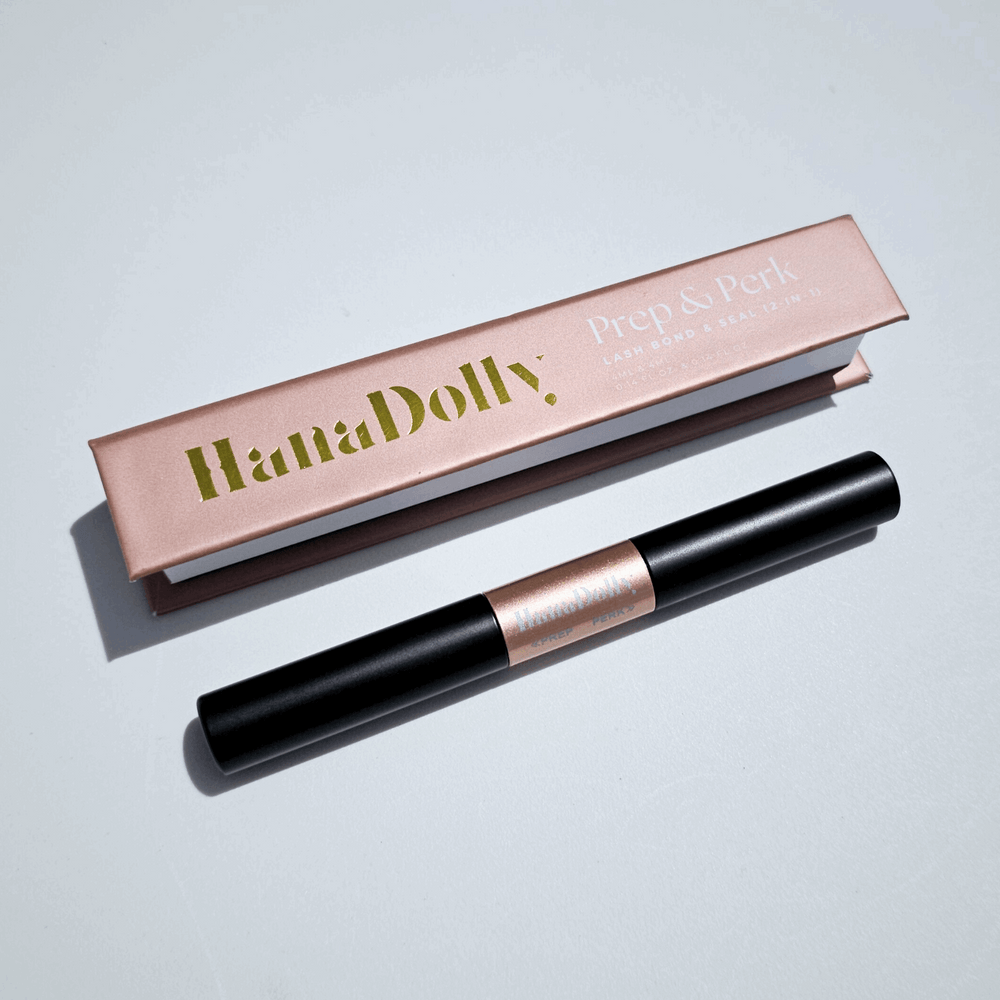
💡 In a hurry? The fastest wins: stop rubbing your eyes, cleanse lashes gently, give heavy extensions a break, and start a peptide lash serum like PRIME. More detail below, babe.
Is It Normal for Eyelashes to Fall Out?
Yes, completely. Your lashes grow on a cycle, just like the hair on your head.
There are three phases:
- Anagen (growth): about 30 to 45 days of active growing.
- Catagen (transition): a short pause where growth stops.
- Telogen (rest and shed): roughly 100 days, ending when the lash naturally drops to make room for a new one.
Because every lash is at a different point in the cycle, you'll always lose a few. Losing 1 to 5 a day is healthy. It's when the shedding speeds up, or new lashes stop replacing the old ones, that it's worth a closer look.
Why Are My Eyelashes Falling Out? 8 Common Causes
1. Ageing and a shorter lash cycle
As we get older, the anagen (growth) phase shortens. Lashes come in finer, shorter, and less dense. It's natural, but a peptide and biotin serum can help support a fuller growth cycle.
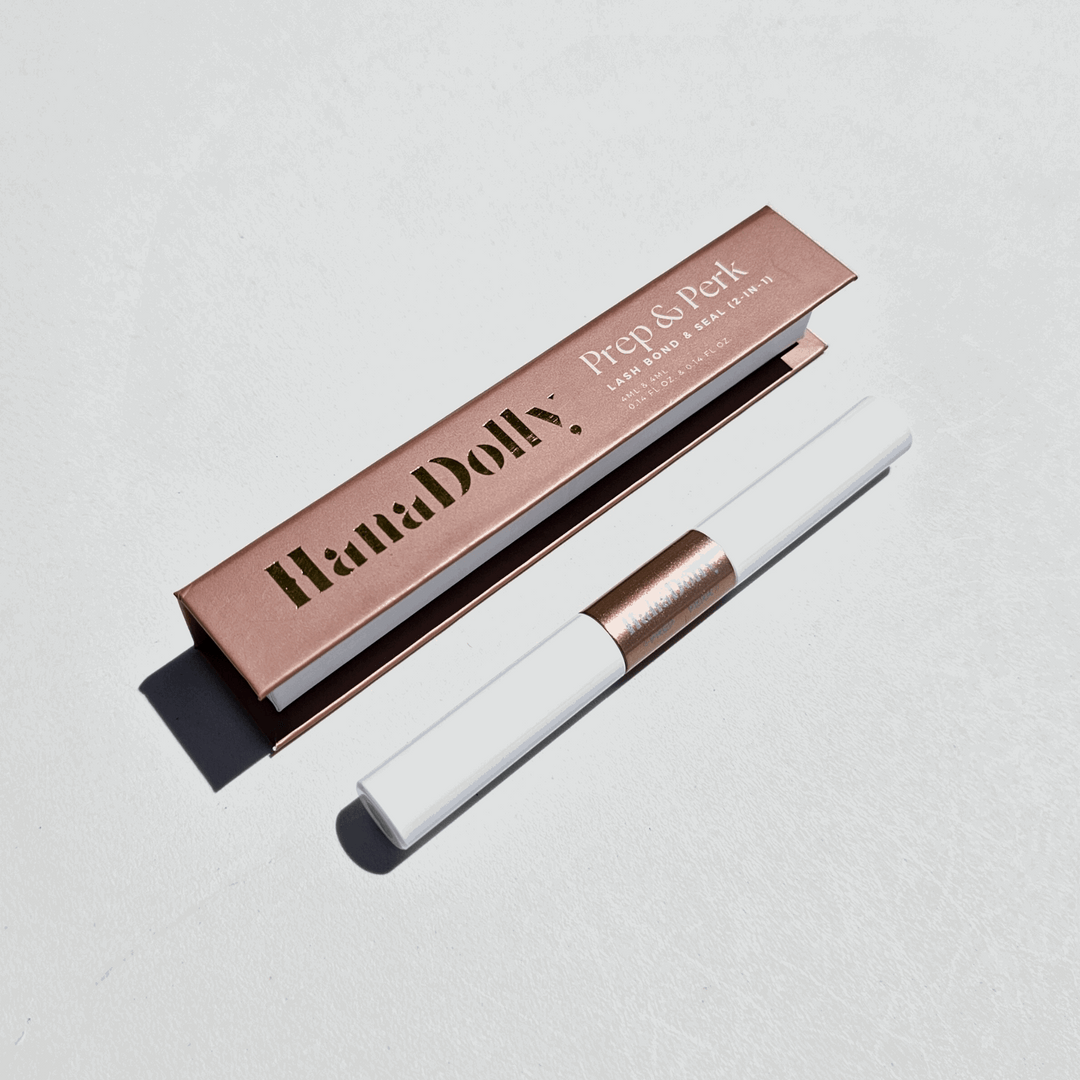
While aging is inevitable, adopting a proper lash care regimen, such as conditioning and gentle handling, can significantly mitigate these changes. Biotin-rich lash serums like HanaDolly's PRIME helps to stimulate the lash growth cycle which helps to produce thicker, fuller lashes.
2. Heavy or constant lash extensions
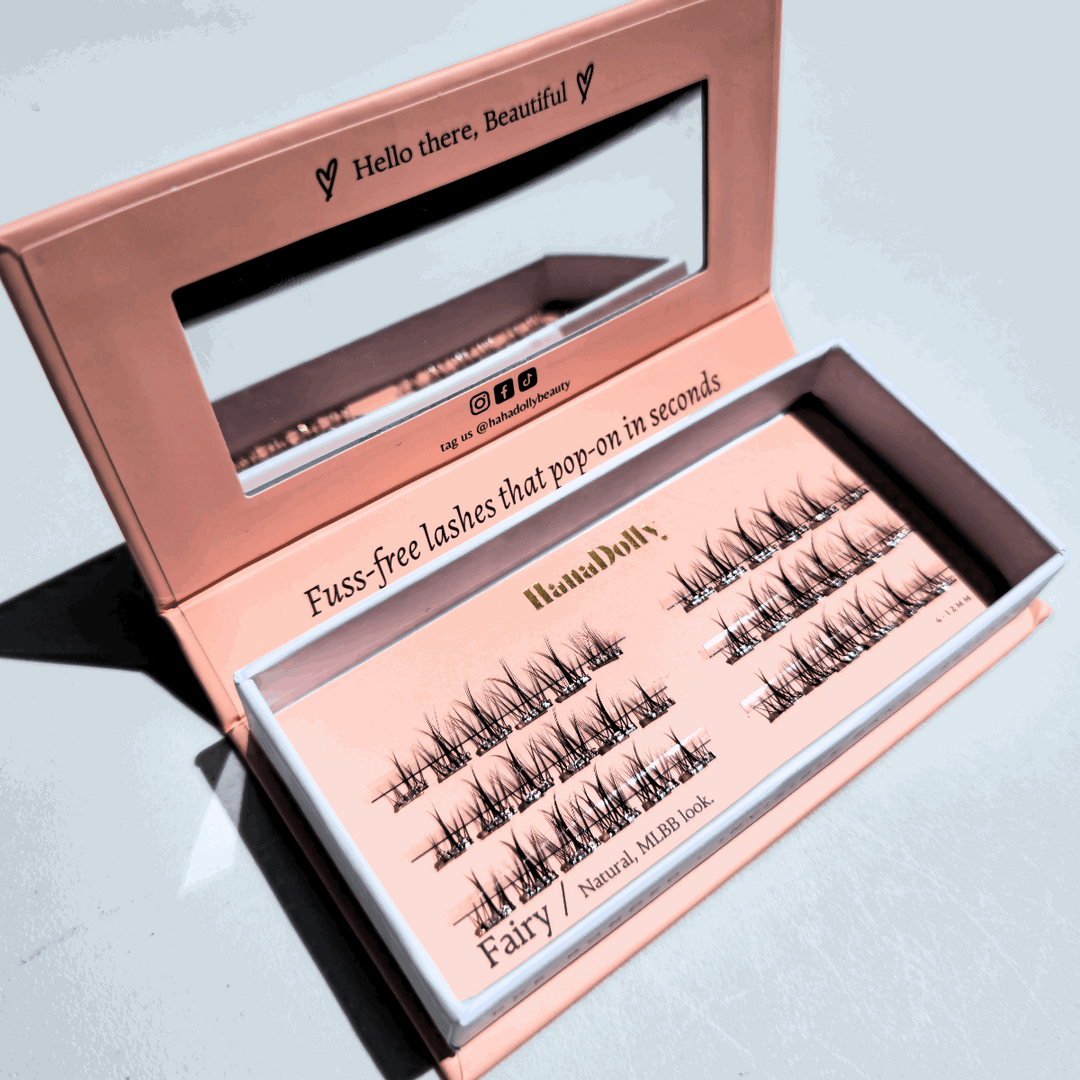
This is a big one for our community. The weight of extensions worn back-to-back for months puts stress on your natural lash strands, and the adhesive plus removal can weaken them over time. If you live in extensions, your natural lashes rarely get a break. The fix: build in rest periods, or switch to a lighter-weight option like pre-bonded press-on lashes pre-bonded press-on lashes that lift on and off without glue tugging on your lash line.
3. Hormonal changes (pregnancy, postpartum, menopause)
Hormones drive your hair and lash cycle. After giving birth especially, many mums notice more shedding, this is postpartum telogen effluvium, and it's usually temporary. It tends to settle as your hormones rebalance. Menopause can thin lashes too.
4. Rubbing, tugging, and rough removal
Aggressive eye-rubbing, peeling off strip lashes, harsh makeup wipes, and overusing a metal curler all pull lashes out at the root. Be gentle, your lashes are delicate.
5. Harsh makeup and leftover mascara
Daily waterproof mascara dries lashes out and makes them brittle. Sleeping in mascara is one of the worst habits for breakage. Always remove it, and give your lashes makeup-free days.
6. Allergies and sensitivities
Allergic reactions to makeup, eyelash adhesives, or skincare products can trigger conditions like contact dermatitis, leading to lash shedding and irritation around the eyes. Routine exposure to low-quality or chemical-laden products exacerbates these issues, highlighting the importance of scrutinizing ingredients and switching to hypoallergenic alternatives.
If a product stings, itches, or reddens your lids, stop and switch to gentler, hypoallergenic options.
7. Stress, sleep, and lifestyle
Chronic stress raises cortisol, which affects hair and lash quality. Poor sleep, smoking, dehydration, and pollution all speed up thinning. Your lashes reflect how the rest of you is doing.
8. Nutrition gaps
Lashes need building blocks: biotin, zinc, vitamin E, iron, and omega fatty acids. A balanced diet supports healthier follicles from the inside.
9. Medical conditions (worth knowing)
Sometimes lash loss points to something medical: alopecia areata (an autoimmune condition affecting hair follicles), blepharitis (chronic eyelid inflammation), or a thyroid imbalance. These are less common, but if shedding is sudden, patchy, or paired with redness and irritation, see a doctor.
Signs Your Lash Loss Isn't "Just Normal"
Book a check with a GP or eye doctor if you notice:
- Sudden or heavy shedding over a short period
- Bald or sparse patches along the lash line
- Redness, swelling, crusting, or persistent irritation
- Lashes not regrowing at all after a few months
- Other symptoms that hint at a thyroid or autoimmune issue
Trust your gut. You know your face better than anyone.
How to Stop Eyelashes Falling Out: Your Gentle Daily Routine
Good news: in most cases, lash loss is reversible once you remove the trigger and support regrowth. Here's the routine we'd give a friend.
Do’s for Healthier Lashes
- Cleanse Gently: Use an oil-free micellar water or makeup remover to clean your lashes without tugging on delicate follicles.
- Boost Growth Naturally: Opt for serums with nourishing ingredients like peptides, biotin, and vitamin E. (this is where PRIME does its quiet work)
- Hydrate and Strengthen: Maintain a balanced diet rich in hair-healthy nutrients, including iron, vitamin D, and omega-3 fats.
- Opt for hypoallergenic makeup products that reduce the chances of irritating your lash line.
- Replace lash tools (e.g., curlers and mascara wands) every 3-6 months to prevent bacterial infections.
- Protect lashes from harsh weather by wearing sunglasses or goggles in windy or high-pollution areas.
Don’t (to Avoid Damage):
- Never rub your eyes aggressively or pull at your lashes.
- Avoid expired makeup products, which often harbor bacteria or irritants.
- Don’t sleep with mascara - overnight residue can weaken lashes or lead to breakage.
- Wear heavy extensions non-stop with no breaks
Give it time. Because of the lash cycle, regrowth shows over weeks, not days, usually 4 to 12 weeks of consistency before you see the payoff. ✨
A Gentler Way to Have Full Lashes While Yours Recover
Here's the thing, babe: you don't have to choose between healthy lashes and full lashes.
While your natural lashes rest and recover,NIMBLE pre-bonded press-on lashes give you that done-up look in about 5 minutes at home. No glue tugging at your lash line. No salon lock-in. Lift them off gently at night, and your own lashes get the break they've been asking for.
That's intentional beauty, looking your best while actually being kinder to your lashes.
FAQ
Why are my eyelashes suddenly falling out? Sudden shedding is often triggered by stress, a hormonal shift (like postpartum), an allergic reaction, or heavy lash extensions. If it's sudden, patchy, or comes with redness or irritation, see a doctor to rule out a medical cause.
Do eyelashes grow back after falling out? In most cases, yes. Lashes regrow on their natural cycle once the trigger is removed, usually within 4 to 12 weeks. Permanent loss is rare and tends to involve scarring or an untreated medical condition.
Can lash extensions make your eyelashes fall out? Worn heavily and back-to-back, extensions can stress and weaken natural lashes over time, through the weight, the adhesive, and removal. Taking breaks or switching to lightweight press-on lashes helps your natural lashes recover.
Do lash serums actually help with lash loss? A good peptide and biotin serum supports a healthier growth cycle and conditions existing lashes, so they're less likely to break. Results take consistency, usually 4 to 12 weeks. Look for a prostaglandin-free formula if you want to avoid common side effects.
Why are my eyelashes falling out after pregnancy? Postpartum hormonal changes commonly trigger temporary shedding (telogen effluvium). It usually improves on its own as your hormones rebalance. Gentle care and a lash serum can support regrowth in the meantime.
How can I stop my eyelashes from falling out naturally? Be gentle (no rubbing or sleeping in mascara), cleanse lashes daily, eat lash-friendly nutrients, give heavy extensions a rest, and use a conditioning lash serum. Small, consistent habits do the heavy lifting.